
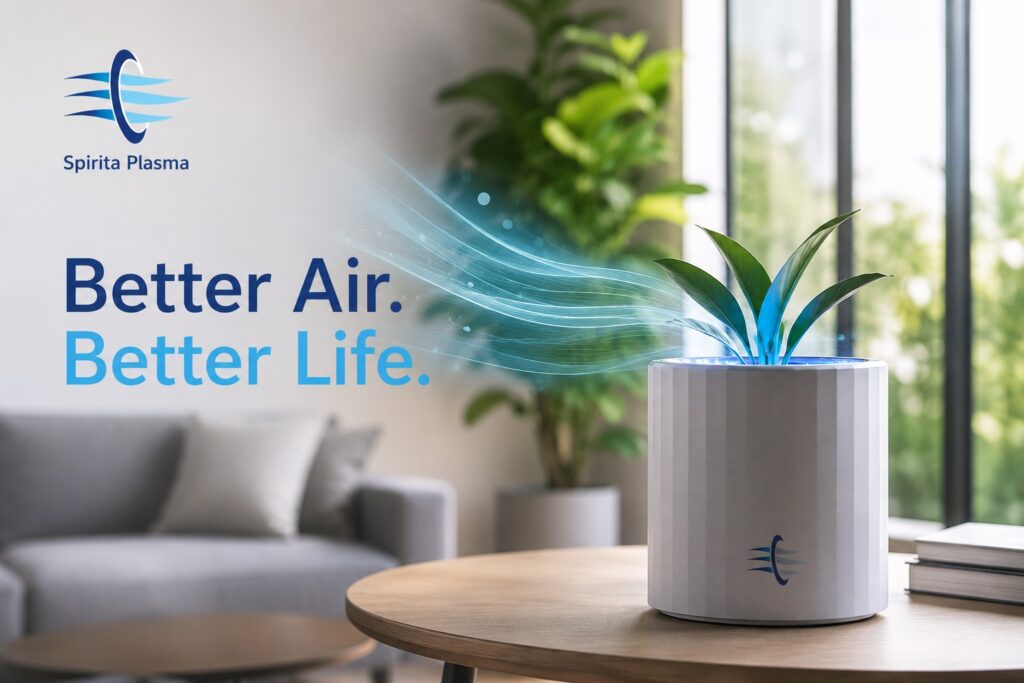
When people think about air pollution, they usually imagine traffic, factories, or smog outside. But the reality is that indoor air can often be more polluted than outdoor air, especially in homes, offices, and enclosed environments where people spend most of their time.
Today, indoor air quality is becoming an important part of modern health and wellness conversations. As people work from home more frequently, spend longer hours indoors, and become more aware of environmental health, creating a healthy indoor environment is no longer optional. It is becoming essential.
Indoor Air Pollution Is More Common Than Most People Think
Indoor air pollution comes from many everyday sources that most people rarely notice. Dust, smoke, cleaning chemicals, cooking fumes, pet dander, mold spores, and poor ventilation can all affect the quality of the air inside a building.
Modern buildings are also designed to be more energy efficient and tightly sealed. While this helps reduce energy loss, it can also trap pollutants indoors for long periods of time. Without proper air circulation and purification, these pollutants continue to accumulate throughout the day.
In offices and commercial spaces, additional factors such as crowded environments, electronic equipment, carpets, and limited airflow can further reduce air quality.
The Difference Between Indoor and Outdoor Air Pollution
Outdoor pollution is visible and easier to recognize. People can often see smoke, dust, or haze in the environment. Indoor pollution, however, is usually invisible.
Many indoor pollutants are microscopic particles or airborne compounds that cannot be seen but still affect health and comfort. In some cases, indoor air may contain higher concentrations of pollutants than outdoor air because there is less ventilation and airflow.
This becomes especially important during colder months, allergy seasons, or in urban environments where people spend more time indoors with closed windows and limited fresh air circulation.
How Poor Indoor Air Quality Affects Health
Air quality directly affects how people feel, think, and function every day.
Poor indoor air quality has been associated with:
- Fatigue and headaches
- Difficulty concentrating
- Allergies and respiratory irritation
- Poor sleep quality
- Dry eyes and skin irritation
- Increased discomfort for people with asthma or sensitivities
Children, older adults, and individuals with respiratory conditions are often more sensitive to indoor pollutants. However, even healthy individuals may experience lower comfort and reduced productivity when indoor air quality is poor.
Indoor Air Quality and Productivity
Indoor air quality is not only a health issue. It also affects focus, energy levels, and workplace performance.
Research continues to show that cleaner indoor environments can help improve concentration and support better productivity in offices, workspaces, and study environments. Employees and students perform better when they are in comfortable environments with cleaner air and better ventilation.
As a result, many companies are now paying closer attention to air quality as part of employee wellness and workplace design strategies.
Creating a Healthier Indoor Environment
Improving indoor air quality does not always require major lifestyle changes. Small improvements can make a noticeable difference.
Some simple ways to support a healthier indoor environment include:
- Improving ventilation when possible
- Reducing indoor smoke and chemical exposure
- Keeping indoor spaces clean and dust-free
- Monitoring humidity levels
- Using modern air purification systems
Technology is also playing an increasingly important role in helping people create cleaner and smarter indoor environments. Advanced air purification systems are becoming more efficient, energy-conscious, and user-friendly for both homes and offices.
The Future of Indoor Wellness
As awareness grows, indoor air quality is becoming part of a larger movement toward healthier living and smarter environments. People are no longer only looking at comfort or design. They are paying attention to the quality of the spaces where they live, work, and spend time every day.
Clean indoor air supports better wellness, better focus, and a better quality of life.
At Spirita Plasma, we believe healthier indoor environments should be accessible, intelligent, and designed for modern living. The future of indoor wellness starts with the air we breathe.